
Why printed marketing still matters — and how it amplifies your digital strategy.
Despite the dominance of digital channels, printed marketing continues to be one of the most trusted, differentiating, and high-performing tools in a brand manager’s playbook. Today’s most effective campaigns don’t choose between digital and print—they combine them to create richer, more memorable brand experiences.
Print is Memorable. Printed pieces—whether packaging, catalogs, brochures, display graphics, or high-end mailers—indicate credibility and permanence, like the company is solid and financially stable. Research consistently shows that people remember printed information longer than other forms of media. Touch and texture trigger emotional engagement that screens can’t replicate.
Print encompasses an enormously broad spectrum of formats, all of them working together to ensure brand consistency in the physical world.
Mohawk Paper conducted research on touch, or haptic perception, focusing on how paper's texture, weight, and feel create deeper emotional connections, influence perception, and improve comprehension compared to digital media. Leveraging principles from neuroscience, their research showed how tactile experiences enhance brand messaging, memorability, and perceived quality, making physical media the choice crucial for impact.
Their key findings include:
- Print highlights something called embodied cognition: The brain translates physical touch into emotions and impressions, making paper's feel a powerful communication tool.
- Printed material creates deeper engagement: Touching print (feeling weight, texture, hearing pages) engages more senses than sight alone, creating stronger emotional bonds and making content more memorable.
- Print has a perceived value: Studies show print can create deeper impressions, with physical materials perceived as more genuine and sincere than digital ads, boosting quality perception and purchase intent.
- Print fosters haptic imagery: The feel of paper influences cognitive evaluations and behavioral responses, especially in purchasing.

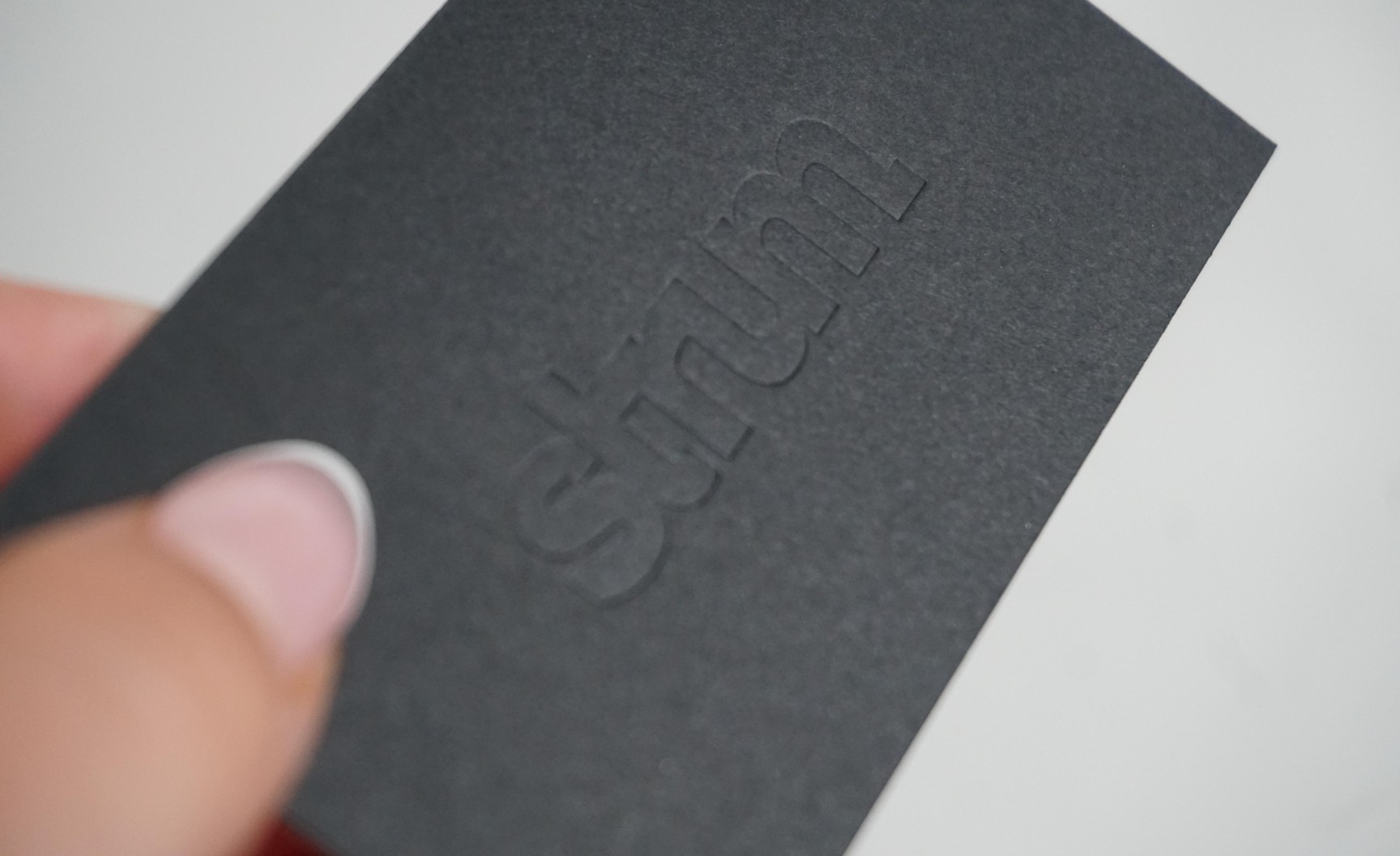
Print is Premium. That same study found that different textures (soft matte vs. glossy, for example) convey different meanings (luxury, cleanliness), and this tactile feedback unconsciously influences judgments and brand perception. One luxury real estate brand tested and found that higher priced homes sell more quickly when well-designed, high-end printed materials are included in their marketing mix. Luxury goods(from clothes to shoes to hand bags to cars and homes) require not only physical marketing materials, but demand that the materials properly reflect the product being sold. These include elements like hang tags. Cheap materials negatively reflect the perception of the brand, and lack of physical collateral support hurt in-store sales.
Recently, several magazines that had been online only have returned to publishing and mailing a physical copy as well—in part because there is a higher renewal rate when someone physically interacts with the medium. Universities, retirement communities, auto manufacturers, high-end restaurants and luxury goods makers (to name just a few) continue to rely on printed materials because their engagement regarding an expensive purchase happens at a deeper level when the printed piece not only reflects but reinforces the brand’s status.
Print is Trusted. Widely cited consumer estimates that most consumers are exposed to 6,000–10,000 ad messages/day, but only a few resonate: Many eye-tracking and attention benchmarks report initial attention often under 2–3 seconds for digital banners or social feed content. Sustained, meaningful attention is rare among digital ads. While several recent studies suggest that print media and printed material are the most credible sources of information. For many people, print remains a “trusted anchor,” especially compared with digital ads or social-media content.
The proliferation of online, e-mail and social-media scams—particularly those created or aided by AI that spoof real people and real brands—has only added to consumer’s trust and confidence in physical media. Creating it takes too much effort, and too many resources, for it to be aviable “scamming” media. All the better for legitimate communications.
Print is a cornerstone of leading brands’ marketing. Because print is a driving force in digital engagement, it has become a launching pad for multiple digital marketing efforts.
QR codes, PURLs, NFC chips, and variable data printing allow seamless transitions from the physical to the digital world. Print can guide customers to landing pages, video content, social channels, and online offers. And with real-time analytics tools, brands can now track engagement from print just as they do in digital.
From environmental graphics to event signage to packaging to bus wraps to billboards, “print” encompasses an enormously broad spectrum of formats, all of them working together to ensure brand consistency in the physical world.
Printed marketing remains compelling because it does what digital cannot—and makes digital stronger in the process. Combining both channels allows you to increase engagement and recall, personalize at scale, bridge offline and online experiences and elevate your brand.
The smartest marketers today aren’t choosing between print and digital—they’re using each to amplify the other.
Across offset printing (best for high-quantity, high-quality print jobs), digital printing (best for small, fast-turn projects—especially those with information and imagery unique to each piece—and large format printing, 12Points network companies deliver myriad solutions with our three locations. And our team is knowledgeable in counseling clients on leveraging their print to drive digital engagement. It works much as when you arrived at this page because the small booklet in the Dots box moved you to learn more!
In an increasingly complex marketing landscape, 12 Points offers a single point of contact to marketers looking for a full-service resource partner, not simply a “printer.”